How it works
How residential solar works for Illinois homes on ComEd
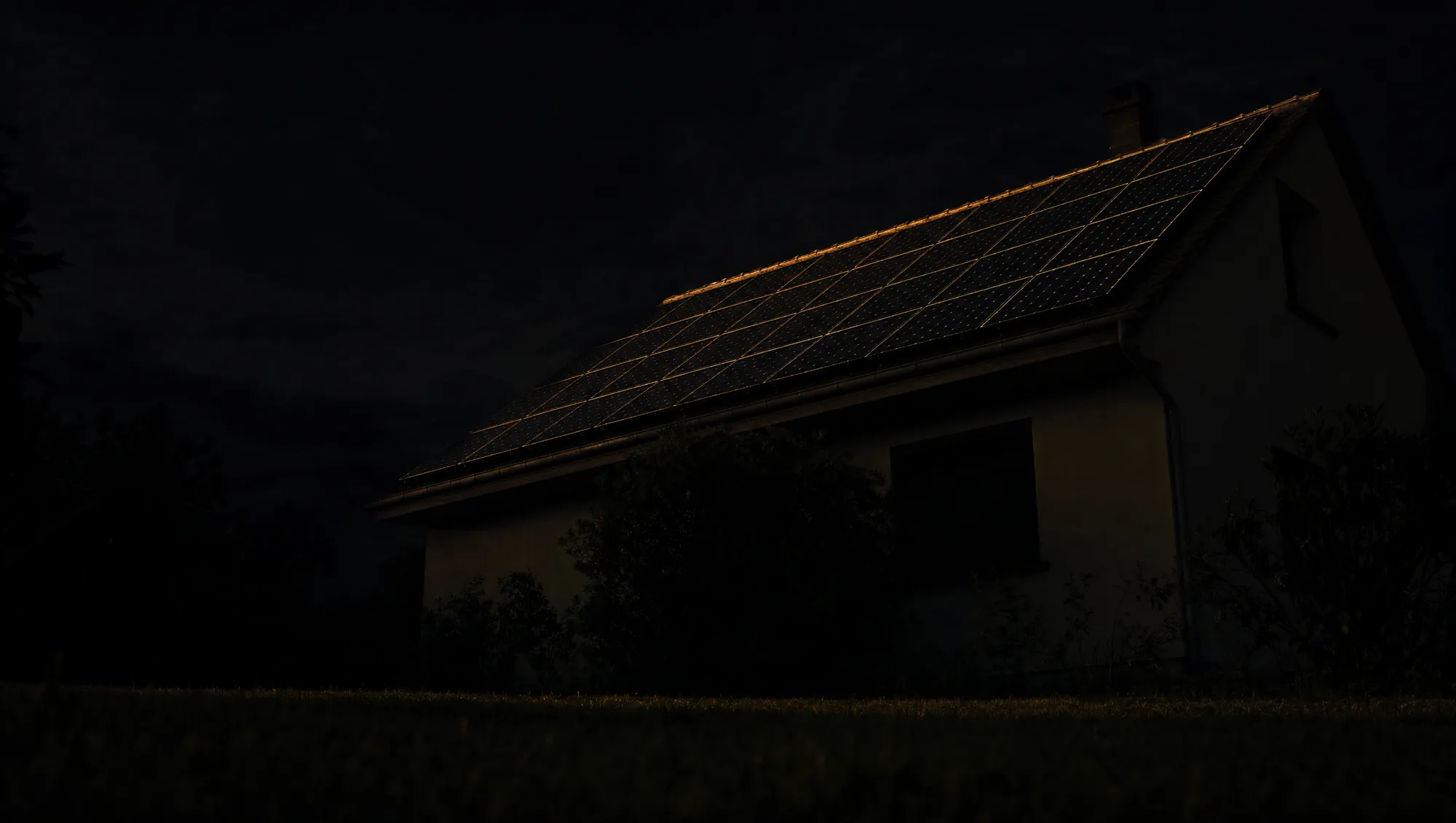
Four steps
EverLume offers residential rooftop solar to Illinois homeowners on ComEd. The path already stated on the homepage has four steps. The first two ask the homeowner for a roof, a usage picture, and a ComEd bill — not a signature.
1. See if it fits. EverLume looks at the roof, usage, and the ComEd bill. Some houses are not a fit, and EverLume will say so. A ZIP code alone does not qualify a house. Cook County and Indiana are out of market. Municipal-electric cities are not treated as ComEd without address proof.
2. See the numbers. The homeowner sees the actual rate and the actual bill, next to what the house pays now. Those numbers are in writing before anyone is asked to sign. If the numbers do not add up, the homeowner can walk away. There is no deadline attached to seeing them.
3. EverLume installs. Permits, equipment, inspection, and monitoring are handled by EverLume. This page does not publish a permit clock or an install count. Those figures are not proven public facts.
4. The system turns on. The homeowner’s utility bill is based on the rate in the agreement, which is set in writing before anyone is asked to sign. This page does not promise a savings percentage or bill elimination. On the nights the line outside goes down, the battery — if the house has one — covers lights, the fridge, the internet, phones charging, and the furnace running for a while. It is not the whole house at full tilt for days.
What the homeowner is buying
The homeowner is buying the power the roof makes, not the equipment. The panels and the battery stay with EverLume for the term of the agreement, with a buyout option after five years.
That is the part people expect to dislike, and it is also the part that assigns repair. Because the hardware stays with EverLume, every repair, every replacement, and all of the monitoring during the term are EverLume’s cost. A panel that fails is EverLume’s problem to replace.
Battery storage is included when it is needed or wanted. It is not the lead offer. A roof-only fit and a roof-plus-battery fit are both possible; the house is checked first.
If the house is sold
If the house is sold, the agreement transfers. EverLume does not describe a separate sale of the equipment as part of a listing. A later buyer who wants different numbers sees those numbers in writing before anyone is asked to sign.
Cash is still a real path
If a household has the cash and wants to own a system on day one, buy one. For some households that is genuinely the better deal. The homepage table already states the split: cash pays upfront and owns the hardware on day one, including repairs; the EverLume plan has no equipment purchase on day one, keeps ownership with EverLume for the term, and makes repairs EverLume’s cost.
This page does not use PPA or lease words. It does not call the offer free. It does not add a federal tax credit.
What this page will not do
It will not invent kWh, irradiance, net-metering cents, or Illinois Shines dollar amounts. It will not publish a street. It will not say every Illinois roof works. EverLume’s day-one cities are Lombard, Addison, Downers Grove, Glen Ellyn, Glendale Heights, Oak Brook (DuPage parcels only), Oakbrook Terrace, and Villa Park.
Questions
What does EverLume look at first?
The roof, usage, and the ComEd bill. Some houses are not a fit.
Does the homeowner buy the equipment?
No. The homeowner is buying the power. The panels and the battery stay with EverLume for the term, with a buyout option after five years.
What happens if the house is sold?
The agreement transfers with the house. That is the term already stated on the EverLume homepage.